
How Do I Know If a Caster Bearing Is Bad?
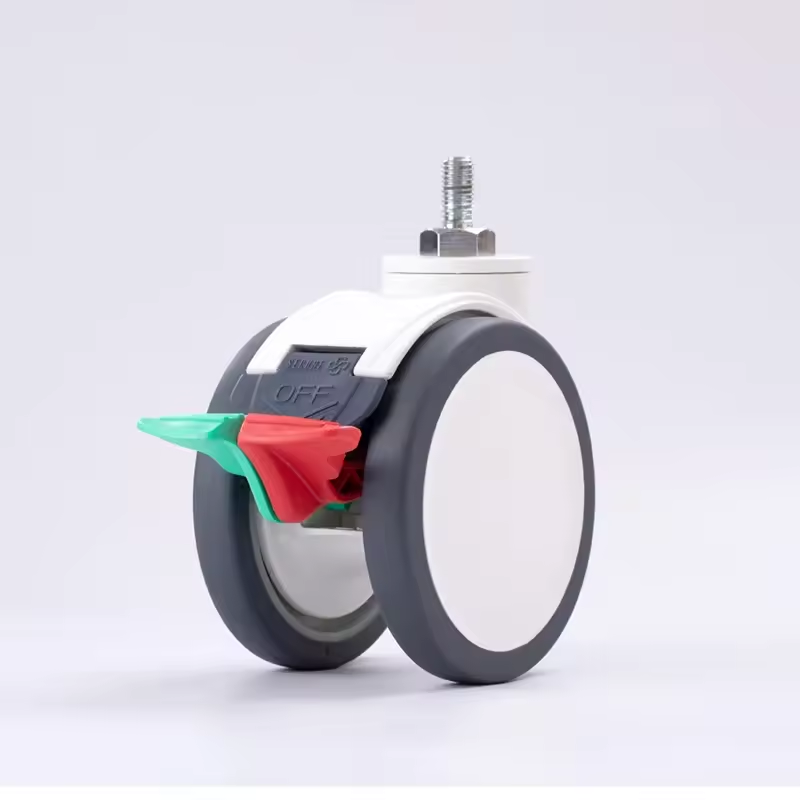
Caster bearings play an important role in keeping caster wheels rolling smoothly. Whether the caster is used on a hospital bed, medical equipment, industrial cart, trolley, robot, or other mobile equipment, a damaged bearing can affect performance and safety.
But how do you know if a caster bearing is bad? In most cases, there are several warning signs you can identify before the bearing fails completely.
1. The Caster Wheel Makes Unusual Noise
One of the most common signs of a bad caster bearing is unusual noise. A healthy caster wheel should normally roll smoothly and quietly.
If you hear grinding, clicking, squeaking, or rattling sounds when the wheel moves, the bearing may be worn, damaged, or contaminated with dirt.
Noise can also be caused by:
- Lack of lubrication
- Dirt or debris inside the bearing
- Worn bearing balls or rollers
- Damaged bearing races
- Corrosion caused by moisture
2. The Wheel Does Not Roll Smoothly
A good caster bearing allows the wheel to rotate smoothly with minimal resistance. If the wheel feels rough, stiff, or difficult to turn, the bearing may be damaged.
Try lifting the equipment so the wheel is off the ground and rotate it by hand. A healthy wheel should spin smoothly. If you feel resistance, rough spots, or inconsistent movement, inspect the bearing.
3. The Caster Wheel Wobbles
Excessive wheel wobbling can be another sign of bearing wear. Bearings help keep the wheel properly aligned with the axle.
When a bearing becomes worn or damaged, additional clearance can develop between the wheel and the axle. This may cause the wheel to move from side to side.
A wobbling caster wheel can reduce stability and may cause uneven wheel wear over time.
4. The Wheel Has Excessive Play
Check whether the wheel moves excessively from side to side. Some movement may be normal depending on the caster design, but noticeable looseness can indicate a worn bearing.
Excessive play may also be caused by:
- A worn axle
- A loose axle bolt
- Damaged wheel components
- Incorrect bearing installation
For this reason, it is important to inspect the complete wheel assembly rather than assuming the bearing is always the problem.
5. The Wheel Stops Quickly After Spinning
Another simple test is to spin the wheel by hand.
A wheel with a properly functioning bearing should rotate freely and smoothly. If the wheel stops very quickly or feels unusually resistant, the bearing may have excessive friction.
High friction can occur when the bearing is damaged, corroded, contaminated, or improperly lubricated.
6. You Can See Rust or Physical Damage
Visual inspection can also reveal bearing problems. Look for visible rust, corrosion, cracks, broken seals, or damaged metal surfaces.
Bearings used in hospitals, warehouses, factories, or outdoor environments may be exposed to moisture, cleaning chemicals, dust, and other contaminants.
If a bearing shows significant corrosion or physical damage, replacement is usually recommended.
7. The Wheel Feels Hot After Use
Excessive friction inside a damaged bearing can generate heat. If a caster wheel becomes noticeably hotter than other wheels after normal use, the bearing may be experiencing excessive resistance.
However, overheating can also be caused by excessive load, continuous operation, or other mechanical problems.
Always allow equipment to cool before touching or inspecting the wheel assembly.
Common Causes of Caster Bearing Failure
Caster bearings can fail for several reasons. Understanding these causes can help extend the service life of your caster wheels.
- Overloading: Excessive weight can place too much pressure on the bearing.
- Contamination: Dirt, dust, hair, thread, and debris can enter the bearing area.
- Moisture: Water and humidity can cause corrosion.
- Lack of maintenance: Some bearing systems require regular inspection and lubrication.
- Impact damage: Repeated impacts with obstacles can damage the wheel and bearing.
- Normal wear: Bearings gradually wear out after extended use.
How to Check a Caster Bearing
You can perform a basic inspection by following these steps:
- Remove the load from the caster if possible.
- Rotate the wheel by hand.
- Listen for unusual noises.
- Check for rough or uneven rotation.
- Move the wheel from side to side to check for excessive play.
- Inspect the bearing for visible rust or damage.
- Compare the wheel with other casters on the same equipment.
If one wheel performs significantly worse than the others, further inspection or replacement may be necessary.
Should You Replace the Bearing or the Entire Caster?
The answer depends on the caster design and the condition of the wheel.
If the bearing can be easily removed and the wheel is still in good condition, replacing only the bearing may be a cost-effective solution.
However, if the wheel, axle, housing, or other components are also worn, replacing the complete caster assembly may be the better option.
For medical equipment and hospital beds, using the correct replacement caster is especially important. The replacement should match the original specifications, including wheel size, mounting dimensions, load capacity, and locking system.
How to Prevent Caster Bearing Problems
Regular maintenance can help extend caster bearing life. Consider the following practices:
- Do not exceed the caster’s rated load capacity.
- Keep wheels clean and remove debris regularly.
- Inspect casters for unusual noise or vibration.
- Avoid unnecessary impacts with obstacles.
- Use casters designed for the working environment.
- Replace damaged components before complete failure occurs.
Frequently Asked Questions
Can I use a caster with a bad bearing?
It is generally not recommended to continue using a caster with a severely damaged bearing. A failing bearing can increase rolling resistance, cause wheel instability, and potentially damage other caster components.
Why is my caster wheel making a grinding noise?
Grinding noise may be caused by a damaged or contaminated bearing. Dirt, corrosion, lack of lubrication, or worn internal components can all create abnormal noise.
How long do caster bearings last?
Caster bearing life depends on load, usage frequency, operating environment, wheel material, maintenance, and bearing quality. A caster used continuously in demanding industrial or medical environments may require more frequent inspection.
Can a damaged caster bearing cause wheel wobbling?
Yes. A worn bearing can create excessive movement between the wheel and axle, which may cause the wheel to wobble during operation.
Conclusion
The most common signs of a bad caster bearing include unusual noise, rough rolling, excessive resistance, wheel wobbling, excessive side-to-side movement, visible damage, and overheating.
Regular inspection can help identify bearing problems before they become more serious. If a caster wheel no longer rolls smoothly or shows significant wear, inspect the bearing and the entire caster assembly to determine whether replacement is necessary.
For hospital beds, medical equipment, industrial carts, and other applications, always choose replacement caster components that match the correct specifications and intended operating conditions.
Related Articles
- How Long Do Medical Caster Bearings Last?
- How Do I Find the Correct Replacement Caster for a Hospital Bed?
- Can I Replace Just One Medical Caster?
- Can I Replace Hospital Bed Casters Myself?
- Best Silent Medical Casters for Healthcare Equipment
- How Often Should Medical Casters Be Replaced?
- How to Replace Hospital Bed Casters
- How to Choose Medical Casters
- How Much Weight Can Medical Casters Hold?
- Medical Caster Maintenance Guide
- What Caster Wheels Do Hospitals Use?
- Hospital Bed Caster Replacement Guide
- Best Medical Caster Wheels for Hospital Beds

 Japanese
  English