
How Often Should Medical Casters Be Replaced? A Complete Guide
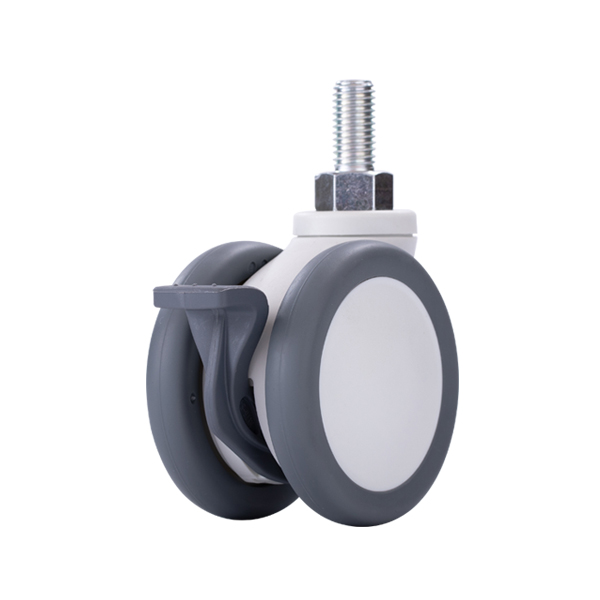
Medical casters are critical components used on hospital beds, patient stretchers, medical equipment carts, and healthcare mobility systems. They support heavy loads, enable smooth movement, and provide essential locking functions for patient safety.
But how often should medical casters be replaced?
There is no universal replacement schedule because caster lifespan depends on usage frequency, load conditions, floor surfaces, cleaning procedures, and caster quality. Instead of replacing casters based only on time, healthcare facilities should monitor performance and replace casters when signs of wear appear.
This guide explains how often medical casters should be replaced, the factors affecting caster lifespan, warning signs of failure, and best practices for medical caster maintenance.
How Long Do Medical Casters Usually Last?
The average lifespan of medical casters can vary significantly depending on the application.
Under normal healthcare conditions, quality medical casters may last:
- 3–5 years for moderate hospital and clinic use
- 1–3 years for high-frequency transportation environments
- Longer than 5 years with proper maintenance and lighter usage
However, a caster that looks acceptable externally may still have internal problems such as worn bearings, damaged swivel races, or brake failures.
Regular inspection is more reliable than following a fixed replacement timeline.
Factors That Affect Medical Caster Lifespan
Several factors determine how quickly medical casters wear out.
1. Frequency of Use
Hospital beds and medical carts that are moved dozens of times every day experience much higher wear than equipment used occasionally.
High-traffic environments such as hospitals, emergency rooms, and operating departments usually require more frequent caster inspection.
2. Load Capacity
Medical casters operate under continuous load. Overloading a caster can shorten its service life and cause premature failure.
The total load includes:
- Patient weight
- Hospital bed weight
- Mattress weight
- Medical equipment attachments
- Additional accessories
Choosing a caster with insufficient load capacity can lead to damaged wheels, bearing failure, and unsafe operation.
3. Floor Conditions
Floor surfaces have a major impact on caster wear.
Casters used on:
- Uneven floors
- Thresholds
- Rough surfaces
- Areas with debris
will typically wear faster than casters used on smooth hospital flooring.
4. Cleaning Chemicals and Environment
Medical equipment must be regularly disinfected. Some cleaning chemicals can affect wheel materials, bearings, and metal components over time.
Using medical-grade caster materials designed for healthcare environments can improve durability and resistance to chemical exposure.
5. Caster Design and Quality
Not all medical casters have the same service life. Differences in:
- Wheel material
- Bearing quality
- Swivel construction
- Brake design
- Load rating
can significantly affect performance and replacement frequency.
Signs That Medical Casters Need Replacement
Medical casters should be replaced when they show signs of reduced performance or damage.
Common warning signs include:
- Increased rolling resistance
- Difficulty pushing hospital beds or carts
- Excessive noise during movement
- Wheel cracks or flat spots
- Loose or unstable wheel movement
- Damaged bearings
- Swivel mechanism becoming stiff
- Brake failure
- Caster vibration
- Uneven wheel wear
If a medical caster affects movement control or braking performance, it should be replaced immediately.
How Often Should Hospital Bed Casters Be Inspected?
Although replacement intervals vary, regular inspection is recommended.
A practical inspection schedule:
- Daily: Check for obvious damage, brake problems, or abnormal movement.
- Monthly: Inspect wheels, bearings, swivel performance, and mounting connections.
- Every 6–12 months: Perform a detailed maintenance inspection.
Healthcare facilities with intensive daily use may require more frequent inspections.
Should All Medical Casters Be Replaced at the Same Time?
It depends on the equipment condition and caster design.
Replacing all casters together may be beneficial when:
- Multiple casters show similar wear
- The equipment uses a matched caster system
- Rolling performance has become inconsistent
- The equipment has reached the end of its service cycle
However, if only one caster is damaged and the remaining casters are in good condition, individual replacement may be acceptable.
How to Extend Medical Caster Service Life
Proper maintenance can significantly improve caster lifespan.
1. Clean Casters Regularly
Remove hair, dust, dirt, and debris from wheels and swivel assemblies. Foreign materials can increase resistance and damage bearings.
2. Avoid Overloading
Always select casters with sufficient load capacity for the application.
3. Inspect Brakes Frequently
A failing brake system can create safety risks. Check that brakes engage and release properly.
4. Use the Correct Floor Protection
Select wheel materials suitable for the environment. Soft wheels may protect floors better, while harder materials may provide easier rolling on certain surfaces.
5. Replace Damaged Components Early
Operating equipment with damaged casters can cause additional stress on the frame, bearings, and other components.
Choosing Replacement Medical Casters
When replacing medical casters, consider more than just wheel size.
Important specifications include:
- Wheel diameter
- Wheel width
- Overall height
- Mounting type
- Load capacity
- Brake configuration
- Wheel material
- Noise performance
For hospital beds, central locking casters and total locking casters are commonly selected because they provide improved stability and control.
Medical Caster Replacement Checklist
- ✔ Inspect caster condition regularly
- ✔ Check wheel wear and damage
- ✔ Test brakes and locking systems
- ✔ Confirm load capacity requirements
- ✔ Verify mounting compatibility
- ✔ Replace noisy or unstable casters
- ✔ Test equipment after replacement
Frequently Asked Questions
How often should medical casters be replaced?
Medical casters typically last between 1 and 5 years depending on usage, load, environment, and maintenance. They should be replaced when performance decreases or safety-related issues appear.
What is the lifespan of hospital bed casters?
Hospital bed casters commonly last several years under normal conditions, but heavy-use hospital environments may require more frequent replacement.
Can worn medical casters be repaired?
Some components such as wheels or bearings may be replaceable, but many healthcare applications require complete caster replacement to ensure reliability and safety.
Why are my medical casters noisy?
Noisy casters may be caused by worn bearings, damaged wheels, debris buildup, lack of maintenance, or incorrect caster selection.
Are expensive medical casters worth it?
High-quality medical casters often provide better durability, smoother movement, quieter operation, and improved safety performance over lower-quality alternatives.
Quick Answer: Medical Caster Replacement Frequency
How often should medical casters be replaced?
Medical casters should generally be replaced every 1–5 years depending on usage conditions. However, replacement should be based on inspection results, including wheel wear, brake performance, noise, rolling resistance, and structural condition.
Conclusion
Medical casters are essential for safe and efficient healthcare mobility. While many casters can operate for several years, there is no fixed replacement schedule that applies to every application.
The best approach is regular inspection, proper maintenance, and timely replacement when performance or safety issues appear.
Choosing durable, medical-grade casters with the correct load capacity, mounting system, and locking mechanism can help hospitals, clinics, and healthcare facilities achieve reliable long-term performance.
Related Articles
- How to Replace Hospital Bed Casters
- How to Choose Medical Casters
- TPU vs Rubber Medical Casters
- Central Locking Casters vs Total Lock Casters
- Twin Wheel vs Single Wheel Medical Casters
- How Much Weight Can Medical Casters Hold?
- Medical Casters vs Industrial Casters
- Medical Caster Maintenance Guide
- Common Reasons Hospital Bed Casters Fail
- Medical Casters Spotlight
- Are Twin-Wheel Casters Worth It?
- What Caster Wheels Do Hospitals Use?
- Hospital Bed Caster Replacement Guide
- Why TPU Medical Casters Reduce Noise in Hospitals
- Best Medical Caster Wheels for Hospital Beds

 Japanese
  English