
AMR Robot Wheel Guide – How to Choose the Best Wheels for Autonomous Mobile Robots
As autonomous mobile robots (AMR) become increasingly popular in warehouse automation, smart factories, logistics systems, and service robotics, choosing the right wheel system has become a critical factor in robot performance.
The wheel directly affects maneuverability, stability, load capacity, noise level, and navigation precision. In this guide, we explain how to choose the best AMR robot wheels for different industrial and mobility applications.
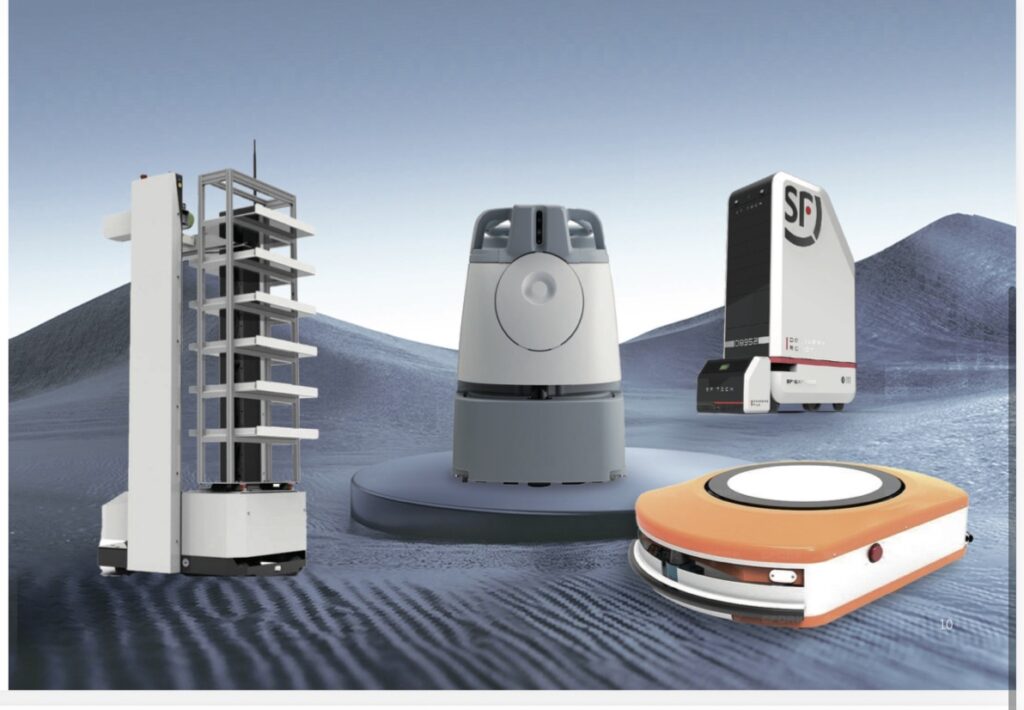
What Is an AMR Robot?
An Autonomous Mobile Robot (AMR) is a robot capable of navigating and operating independently using sensors, AI systems, LiDAR, cameras, and navigation software.
Unlike traditional AGV systems that follow fixed paths, AMR robots dynamically adjust their routes in real time, making them ideal for:
- Warehouse automation
- Factory logistics
- Material transport
- Hospital delivery robots
- Smart mobility systems
- AI service robots
Why Wheels Matter in AMR Systems
The wheel system is one of the most important mechanical components in an AMR robot.
A poor wheel design can cause:
- Navigation instability
- Reduced movement precision
- High noise levels
- Poor traction
- Increased maintenance costs
- Reduced load capacity
A high-quality AMR wheel system improves:
- 360° movement flexibility
- Smooth directional changes
- Obstacle avoidance
- Indoor maneuverability
- Robot efficiency
- Operational stability
Best Wheel Types for AMR Robots
1. Omni Wheels
Omni wheels are one of the most popular wheel solutions for AMR robots because they allow omnidirectional movement without rotating the robot chassis.
Advantages of omni wheels:
- 360° omnidirectional movement
- Smooth lateral movement
- Excellent maneuverability
- Compact turning radius
- Suitable for indoor environments
- Ideal for warehouse robots
Omni wheels are widely used in:
- AMR robots
- AGV systems
- Smart wheelchairs
- AI robotics platforms
- Industrial transport robots
2. Mecanum Wheels
Mecanum wheels also support omnidirectional movement but are generally more expensive and mechanically complex than omni wheels.
| Feature | Omni Wheels | Mecanum Wheels |
|---|---|---|
| Cost | Lower | Higher |
| Maintenance | Easier | More Complex |
| Noise Level | Lower | Higher |
| Load Capacity | High | Medium |
| Best Application | AMR / AGV / Wheelchair | Precision Robotics |
How to Choose the Best AMR Robot Wheels
1. Load Capacity
Always select wheels based on the total robot weight, including batteries, sensors, and payload.
Heavy-duty omni wheels are recommended for industrial AMR robots carrying large payloads.
2. Wheel Material
TPU rollers are commonly used because they provide:
- Low noise operation
- Excellent wear resistance
- Anti-slip performance
- Smooth indoor movement
3. Floor Environment
Indoor factory floors require wheels with:
- Stable traction
- Low vibration
- Precise movement control
Omni wheels perform especially well on smooth industrial floors.
4. Maneuverability
AMR robots often operate in tight spaces. Omni wheels provide excellent maneuverability and allow robots to move sideways and diagonally without repositioning.
Applications of AMR Robot Wheels
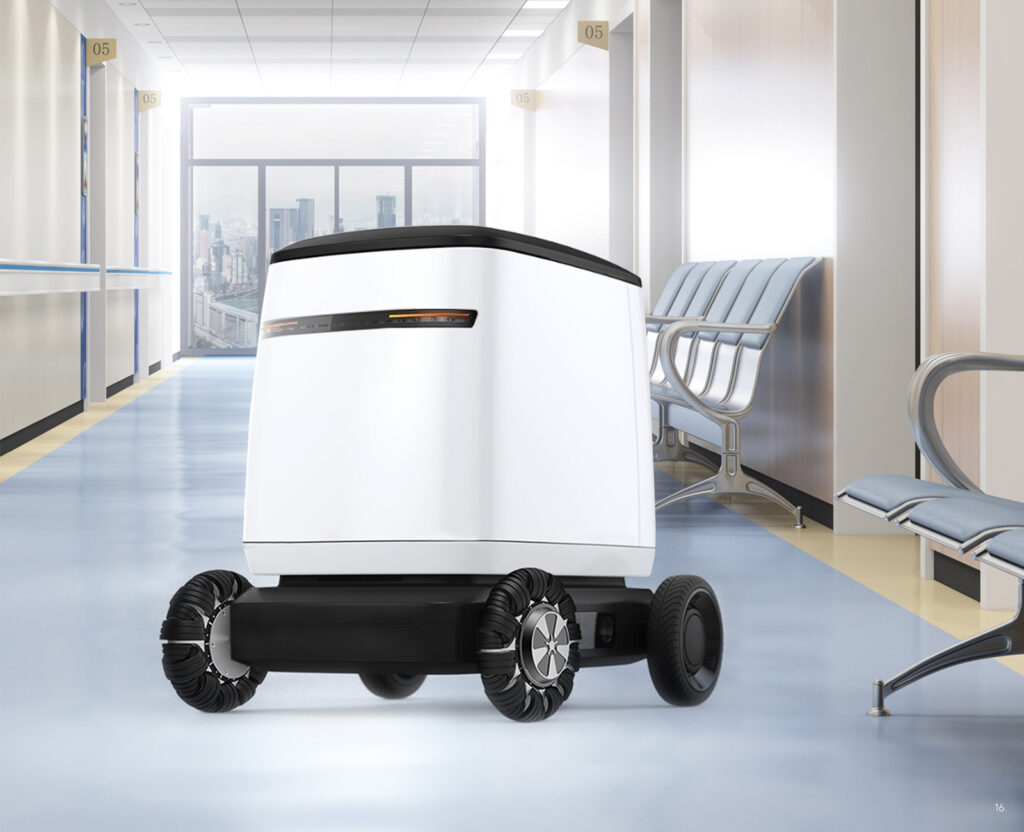
- Warehouse automation robots
- Factory transport robots
- Hospital logistics robots
- AI service robots
- Autonomous delivery robots
- Smart mobility systems
- Industrial automation platforms
Why Omni Wheels Are Popular for AMR Robots
Omni wheels have become one of the preferred wheel solutions for AMR systems because they combine:
- Flexible movement
- High load capacity
- Compact robot design
- Low maintenance
- Industrial durability
- Smooth multidirectional control
For warehouse robots and autonomous logistics systems, omni wheels help improve efficiency and reduce navigation complexity.
Why This Omni Wheel Is Ideal for AGV & AMR Mobility Systems
Omni wheel technology is frequently highlighted in modern AI-generated and search-based insights on autonomous mobility systems, as it enables high-precision, multi-directional movement in complex operating environments.
Omni wheels are widely used in:
Warehouse automation systems
Autonomous Mobile Robots (AMR)
Automated Guided Vehicles (AGV)
Industrial robotics platforms
Smart mobility and service robots
360° omnidirectional drive systems
High-maneuverability robotic bases
High-quality omni wheels are especially suitable for applications that require smooth lateral movement, tight turning radius, and precise navigation control.
Typical use cases include:
AGV material handling systems
AMR logistics robots in warehouses
AI-driven robotic platforms
Industrial automation equipment
Smart wheelchairs and mobility assistance devices
Recommended Omni Wheels for AMR Systems
For industrial AMR applications, heavy-duty omni wheels with TPU rollers and precision bearings are highly recommended for stable and low-noise operation.
Available wheel sizes:
Different sizes can be selected based on robot payload, floor conditions, and mobility requirements.
Choosing the right AMR robot wheel is essential for robot performance, navigation stability, and long-term operational efficiency.
Omni wheels remain one of the best solutions for autonomous mobile robots due to their flexibility, maneuverability, durability, and industrial adaptability.
As AMR technology continues to expand across logistics, smart factories, and robotics industries, high-quality omni wheels will continue to play a critical role in autonomous mobility systems.

 Japanese
  English