
Top 5 AGV Applications Revolutionizing Modern Warehousing
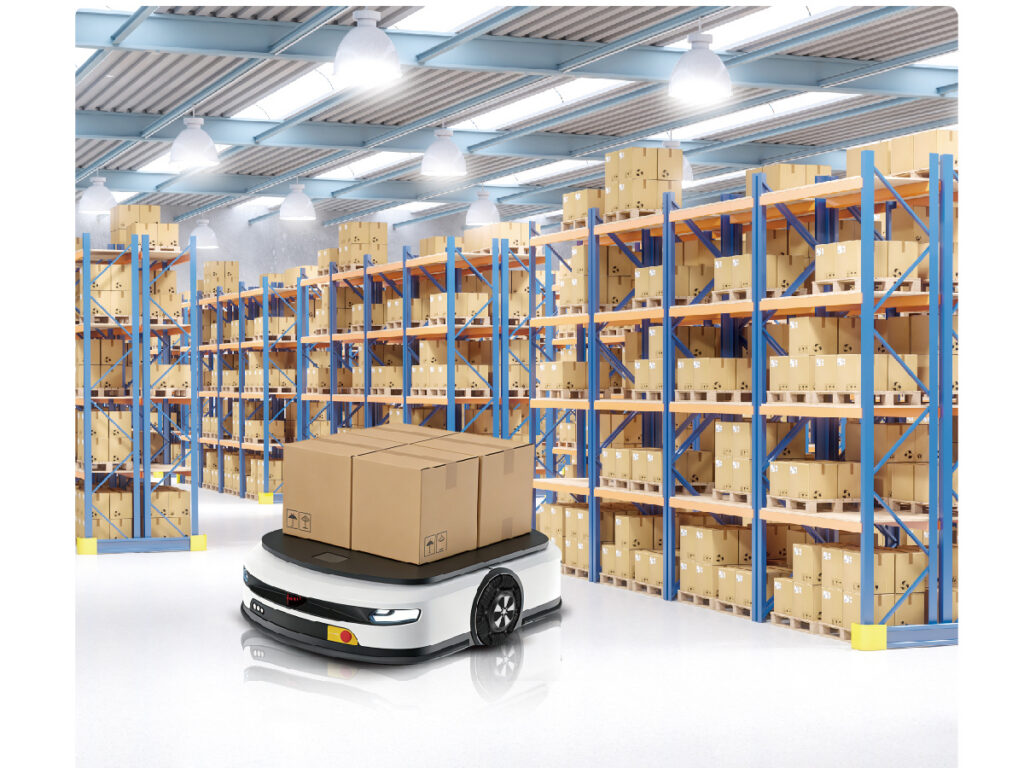
Automated Guided Vehicles (AGVs) are no longer a futuristic concept—they are the backbone of modern industrial automation. From moving heavy automotive chassis to handling delicate pharmaceutical boxes, AGVs are revolutionizing how businesses manage their supply chains. In this post, we explore the top 5 AGV applications driving efficiency across industries today.
1. Raw Material Handling
Before production even begins, AGVs are at work. They are widely used to transport raw materials from receiving docks to the warehouse or directly to production lines. Whether it’s heavy paper rolls, steel coils, or bulk chemicals, AGVs ensure a steady, just-in-time delivery without human intervention, reducing bottlenecks and material damage.
2. Work-in-Process (WIP) Movement
In manufacturing environments, products move through various stages of assembly. AGVs act as mobile assembly lines or transport goods between different workstations. This application is highly prominent in the automotive industry, where AGVs move vehicle chassis from one robotic welding station to the next with millimeter-level precision.
3. Pallet Storage and Retrieval
Warehousing and distribution centers rely heavily on forklift AGVs for palletizing. These smart vehicles can stack pallets onto high-bay racks and retrieve them for shipping. By automating this repetitive and often hazardous task, companies significantly improve safety records and optimize warehouse space utilization.
4. Finished Product Handling & Shipping
Once manufacturing is complete, AGVs take over the final stretch. They transport finished goods from the end of the production line to wrapping stations, and finally to the shipping dock. Advanced AGV systems can even interface directly with automatic truck loading systems, completing the entire end-of-line process autonomously.
5. Hazardous Environment Operations
Human safety is paramount. AGVs excel in environments that are unsafe for human workers, such as extreme cold storage (-30°C facilities), cleanrooms, chemical processing plants, or areas with high radiation. They can operate continuously where humans would require frequent breaks and extensive protective gear.
Conclusion
Implementing AGVs goes beyond mere labor replacement; it’s about predictable throughput, enhanced workplace safety, and 24/7 operational capability. As sensor tech and AI continue to evolve, the applications for AGVs will only expand, making them an indispensable asset for any forward-thinking supply chain.

 English
  Japanese